
From Helping Local Businesses Grow in the 1980s to Preparing Them for AI and Global Competition, SAMENTA Reflects on 4 Decades of Representing Malaysian SMEs

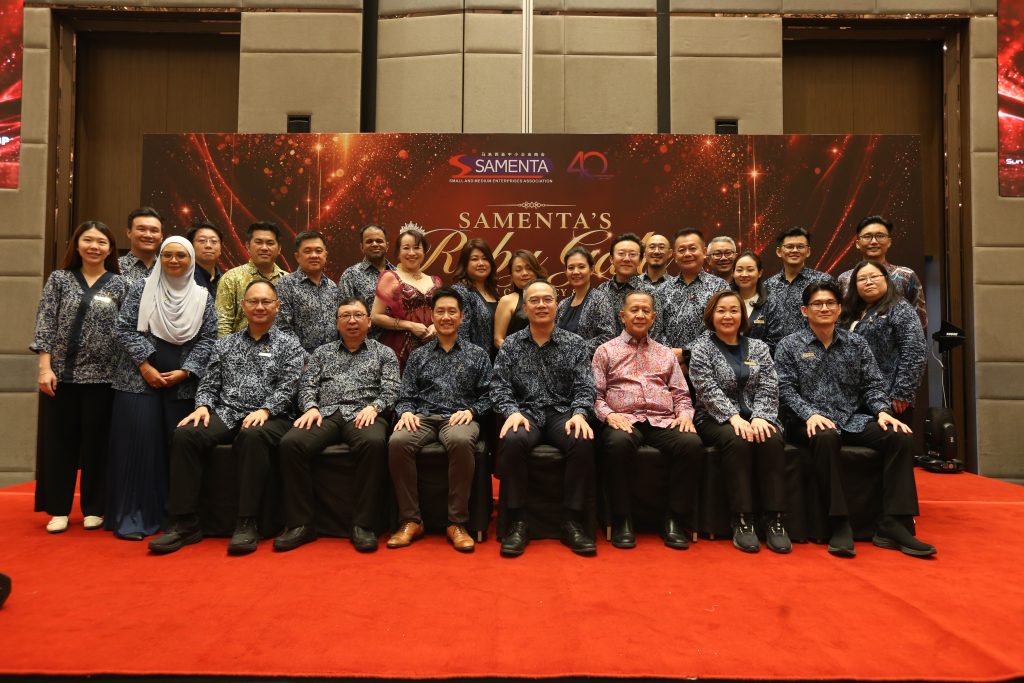
Members of SAMENTA’s National Council and organising committee gathered for a group photograph during the association’s 40th Anniversary Ruby Gala Dinner at M World Hotel, Petaling Jaya, recently
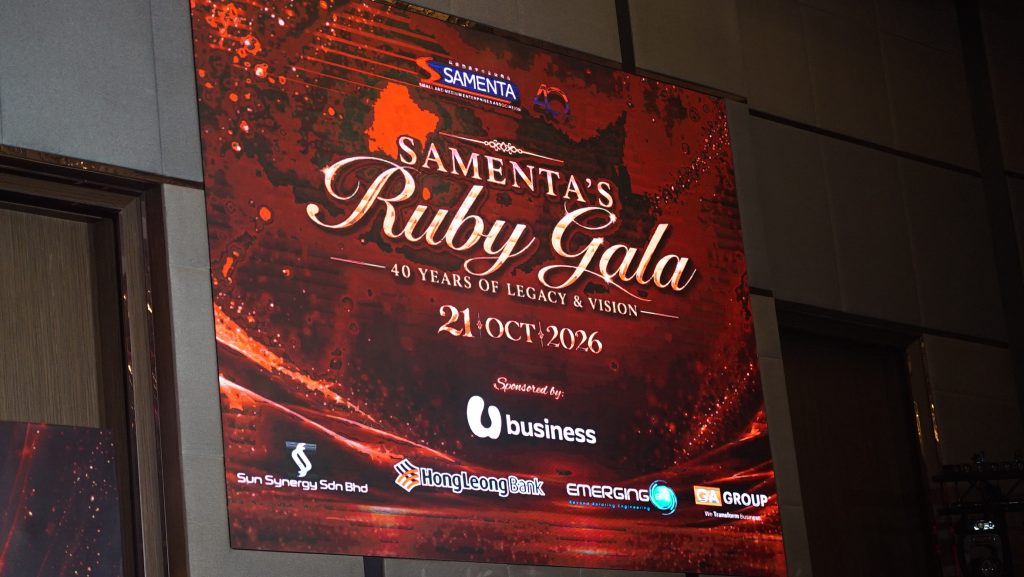
The Small and Medium Enterprises Association of Malaysia (SAMENTA) celebrated its 40th anniversary with a Ruby Gala Dinner at M World Hotel, Bandar Utama, recently, bringing together members, industry representatives and partners who have supported the association over the years.
The celebration marked four decades of SAMENTA’s efforts to represent Malaysian small and medium enterprises (SMEs), while highlighting the challenges businesses face today and the direction they need to take in the coming years.
Founded in Penang in 1986 by the late Tun Dr Lim Chong Eu, who was then the Chief Minister of Penang, SAMENTA was initially established to help local SMEs become capable suppliers to the state’s growing electronics manufacturing industry.
What began as an effort to support local businesses eventually developed into a nationwide association representing different industries, including manufacturing, services, logistics, food and technology.
Today, SAMENTA has more than 4,000 members nationwide and remains Malaysia’s oldest SME association.
Four Decades of Representing SMEs
Over the past 40 years, SAMENTA has played a role in representing SMEs in discussions with government ministries, regulatory bodies, financial institutions and industry agencies.
Its advocacy has covered business financing, minimum wage policies, electronic invoicing, regulatory requirements, and supply chain challenges.
The association has also organised programmes to help Malaysian SMEs explore new markets and improve their business capabilities.
Among its notable initiatives was the 2023 trade mission to Taiwan, which brought together more than 200 Malaysian SMEs and generated RM58.6 million in potential business opportunities.
More recently, SAMENTA expanded its Hyperlocal AI Fest programme to 50 cities in 2026, bringing practical artificial intelligence training to SMEs beyond major business centres such as Kuala Lumpur and Penang.
The association also introduced digitalisation and sustainability initiatives, including RetailTech+, the Digitalisation Grader tool, and ASEAN’s first Circular Economy Certification.
These programmes reflected the changing needs of Malaysian SMEs, particularly as businesses faced growing pressure to adopt digital tools, meet international standards and remain competitive.
Recognising Those Who Contributed
The anniversary gala also recognised individuals and organisations that had contributed to SAMENTA’s journey.
One of the evening’s highlights was the presentation of the Presidential Award to Yeoh Seng Hooi, a former SAMENTA Secretary General and long-serving advocate for Malaysian SMEs.
Six agencies received the Friends of SAMENTA Awards in recognition of their support for the SME community. They were SME Corp Malaysia, Malaysia Productivity Corporation (MPC), Malaysia External Trade Development Corporation (MATRADE), Malaysian Industrial Development Finance (MIDF), Institut Keusahawanan Negara (INSKEN) and Selangor Information Technology and Digital Economy Corporation (SIDEC).
Guests were also taken through the association’s history through the SAMENTA History Walk, featuring eight posters documenting its development from 1986 to 2026.
A special anniversary video highlighted the association’s four-decade journey, while the evening included performances and a cake-cutting ceremony led by SAMENTA’s National Council.
The gala followed the SAMENTA SME CEO Forum 2026, which was held earlier that day.
Malaysian SMEs Face a Different Business Environment
Although the anniversary celebrated SAMENTA’s achievements, it also brought attention to the difficulties Malaysian SMEs continue to face.
Rising business costs, limited access to financing and the growing digital gap remain among the major concerns affecting smaller businesses.
Changes in wage policies, foreign worker costs, taxation and electronic invoicing requirements have added pressure to businesses already dealing with higher operating expenses.
Access to financing has also remained a challenge, particularly for smaller enterprises that struggle to meet lending requirements designed around larger companies.
At the same time, the growing adoption of artificial intelligence among major corporations has raised concerns that SMEs could fall further behind without practical support and training.
SAMENTA has continued to advocate for policies that consider differences in business size and location, while encouraging greater consultation with SMEs before new regulations are introduced.
From Manufacturing for Others to Building Malaysian Brands
Looking ahead, SAMENTA identified three priorities for its 2026 to 2029 National Council.
These included greater adoption of artificial intelligence and digitalisation, continued policy reform, and stronger support for sustainability and the circular economy.
Another important direction was encouraging Malaysian SMEs to move beyond original equipment manufacturing (OEM) and develop their own brands, designs and intellectual property.
Under the message “Made by Malaysia”, the association wants more local businesses to create products and brands they can call their own, rather than remaining manufacturers for other companies.
This direction also reflects a wider challenge facing Malaysian SMEs. Competing mainly on lower production costs may no longer be enough as businesses deal with rising expenses and stronger international competition.
For smaller companies, developing their own products, building brand recognition and protecting intellectual property could become increasingly important to their long-term growth.
The Next 40 Years
The anniversary was more than an occasion to revisit SAMENTA’s history. It also highlighted how much the Malaysian business environment had changed since 1986.
From helping manufacturers secure orders from multinational companies in Penang to supporting businesses in artificial intelligence, sustainability and international trade, the association’s priorities have evolved alongside the needs of SMEs.
However, one responsibility has remained consistent throughout its history: representing the interests of smaller businesses and ensuring their concerns are heard.
As SAMENTA entered its fifth decade, its message to Malaysian SMEs was clear. The future would require businesses to compete through their own ideas, products, brands and capabilities, rather than relying on low costs alone.
For an association that began by helping Malaysian businesses manufacture for others, the next chapter is about helping more of them build something of their own.


