
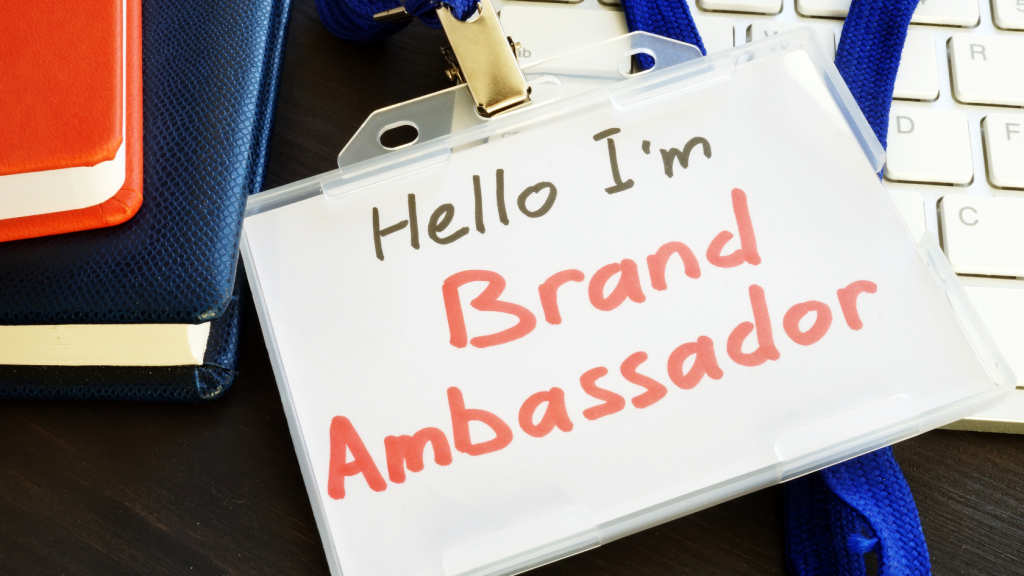
As Brands Compete for Attention Online, the Person Behind the Social Media Profile May Matter as Much as the Numbers

Choosing the right brand ambassador involves more than looking at followers and engagement. Reputation, behaviour and brand fit matter too
Brand ambassadors have become a familiar part of modern marketing.
From athletes and celebrities to entrepreneurs and content creators, companies are increasingly putting recognisable faces behind their products and campaigns.
The appeal is understandable. Someone with a strong following can introduce a brand to thousands, sometimes millions, of people almost instantly.
Follower numbers, engagement rates, audience demographics and content performance have therefore become common considerations when companies evaluate potential ambassadors.
But another factor is becoming increasingly difficult to ignore: reputation.
When a company appoints an ambassador, it is not simply buying access to an audience. It is creating a public association between the individual and the brand.
And in an age where almost any interaction can be recorded and shared online, that association can extend far beyond an advertising campaign.
The Person Behind the Profile
Social media provides brands with plenty of data.
Follower numbers can indicate potential reach, while engagement can provide some indication of how actively an audience responds to a creator or public figure.
What those numbers cannot necessarily show is how the person behaves away from the camera.
Social media profiles are naturally curated. Photographs are selected, videos are edited, and captions can be rewritten before they are published.
Everyday behaviour is much harder to curate.
How someone treats event organisers, employees, service staff, business partners and members of the public can reveal another side of the person representing a brand.
The same applies to how they respond when something goes wrong.
An ambassador may perform well during a planned campaign, but brands are increasingly operating in an environment where an unexpected incident can attract more attention than the campaign itself.
Reputation Can Travel Quickly
The speed of social media has changed the way reputation issues develop.
An uncomfortable interaction at an event or an inappropriate comment may once have remained within a relatively small group of people.
Today, a phone recording can place the same incident in front of thousands of viewers within hours.
Once the individual involved is publicly associated with a company, the conversation can quickly expand.
People may begin tagging the brand, questioning the partnership or revisiting previous campaigns involving the ambassador.
The company may then find itself responding to an issue it did not create.
This does not mean brands should expect ambassadors to behave perfectly at all times. Public personalities are human and mistakes will happen.
What may matter more is how those mistakes are handled.
An individual who acknowledges an error and responds appropriately can create a very different situation from someone who dismisses concerns, reacts aggressively or allows the controversy to continue unnecessarily.
Brand Fit Goes Beyond Audience Demographics
Finding the right ambassador has traditionally involved looking for someone whose audience matches the company’s target market.
That remains important.
However, audience fit and brand fit are not necessarily the same thing.
A person may reach exactly the customers a company wants while having a public image or behaviour that does not sit comfortably with the brand.
A company built around professionalism, for example, may have different expectations from a youth lifestyle label. A family-oriented business may consider different factors from a sports, fashion or technology company.
There is no single personality that makes someone suitable to become a brand ambassador.
The more relevant question is whether there is reasonable alignment between the individual and what the company represents.
If a business regularly communicates values such as respect, responsibility and professionalism, the people publicly associated with the company inevitably become part of that message.
Looking Beyond the Latest Posts
This is where some form of due diligence can become useful.
Researching a potential ambassador does not mean investigating every aspect of someone’s private life.
There is a clear difference between understanding a person’s professional and public reputation and intruding into matters that have no reasonable connection with the partnership.
Previous collaborations can provide useful information.
So can past public statements, professional conduct and the way someone has responded to earlier criticism or controversies.
For larger partnerships, speaking with agencies, event organisers or companies that have previously worked with the individual may also provide a clearer picture than social media statistics alone.
The objective is not to find someone with a completely spotless history.
It is to understand who the brand is publicly associating itself with before that association is announced.
Where Marketing Meets PR
Ambassador selection is often viewed primarily as a marketing decision.
Marketing teams naturally want to know how many people an ambassador can reach, whether the audience matches the target market and what kind of engagement a campaign could generate.
A PR perspective introduces a different set of questions.
What reputation does the person already have? How does that reputation fit the company’s positioning?
Are there potential issues that could affect the partnership later? And if a controversy develops, how closely will the public connect the individual’s behaviour with the brand?
Neither perspective replaces the other.
A successful ambassador partnership needs visibility, but visibility alone does not guarantee a good fit.
This is particularly relevant for longer partnerships where an individual may become closely identified with the company over time.
The Biggest Following May Not Always Be the Best Fit
The growth of influencer marketing has made numbers highly visible.
It is easy to compare one person’s followers, views and engagement with another’s.
Character is considerably harder to place on a spreadsheet.
Yet for businesses investing their name and reputation in another person, it may be equally important.
A smaller creator, athlete or industry personality with a credible reputation and a natural connection to the company may sometimes offer something that pure reach cannot provide.
Trust.
The right ambassador can give a brand a human face, introduce it to new communities and strengthen its credibility.
The wrong partnership can create questions that have little to do with the product being promoted.
As ambassador marketing continues to grow, brands may therefore need to look beyond who has the largest audience.
The more important question may be who they are comfortable having associated with their name when the campaign is over, and the cameras are no longer rolling.


